
Walk Through French History at the Panthéon – Book Your Tickets Today
This website offers official tickets for this venue. Please note, however, that it is not the official website of the venue.

Smartphone tickets

Priority Access Available

Instant confirmation

Flexible cancellation
Smartphone tickets
Why wait?
Instant confirmation
Flexible cancellation



Visit the Paris Pantheon
Highlights
Skip the lines with priority entry to the Panthéon.
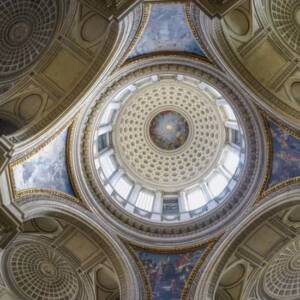
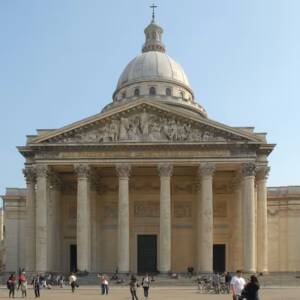
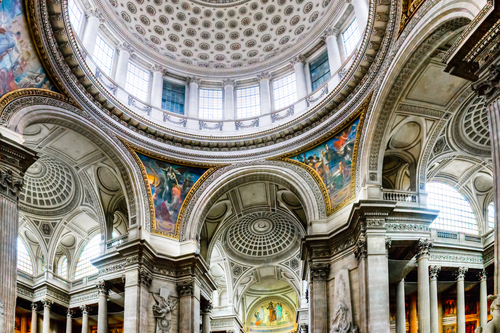
Discover the splendid neo-Classical design and captivating interior artworks.
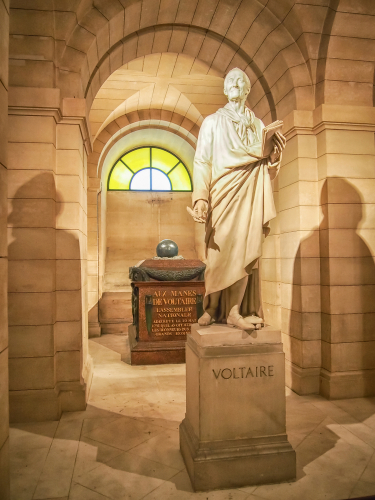
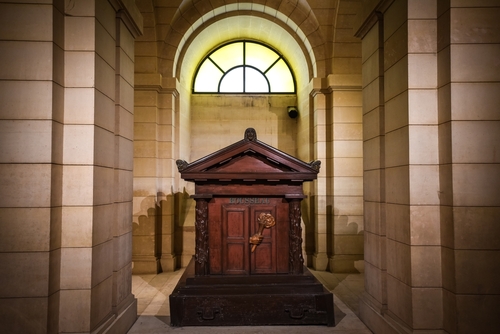
Explore the crypt housing the tombs of notable French figures.
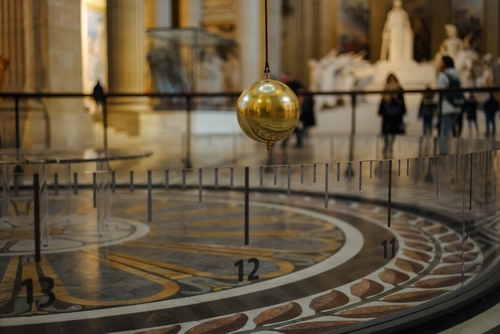
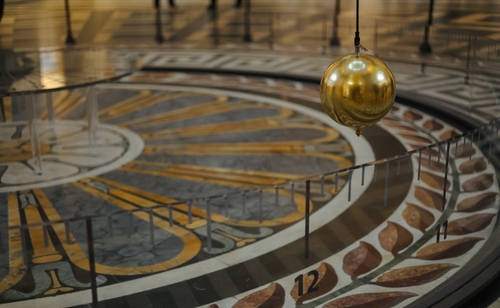
Witness Foucault’s Pendulum demonstrating Earth’s rotation.
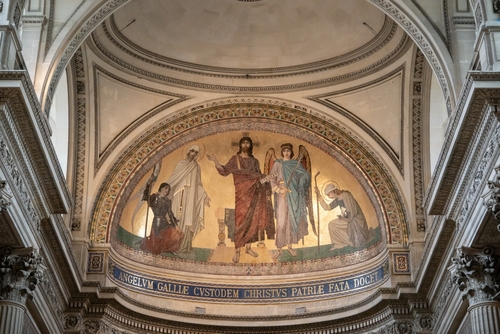
Learn about Saint Genevieve and the beginnings of Christianity through detailed paintings.


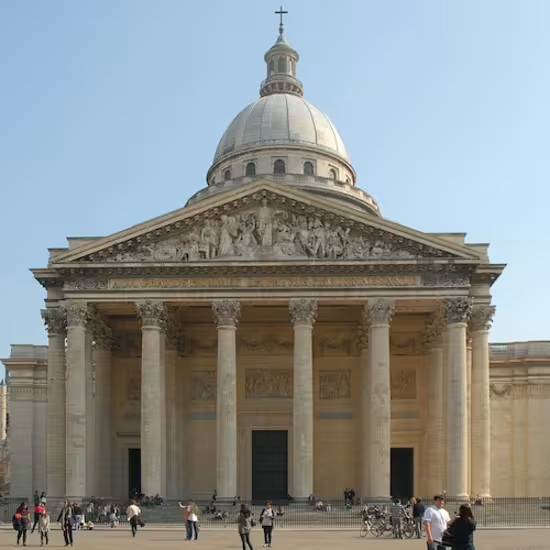
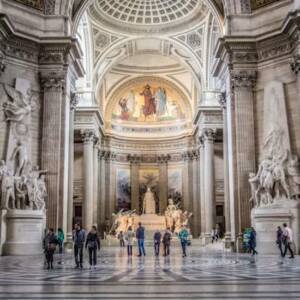
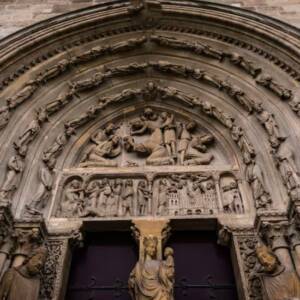
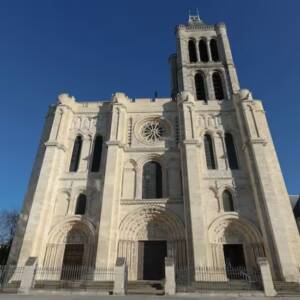
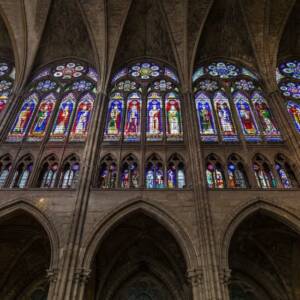

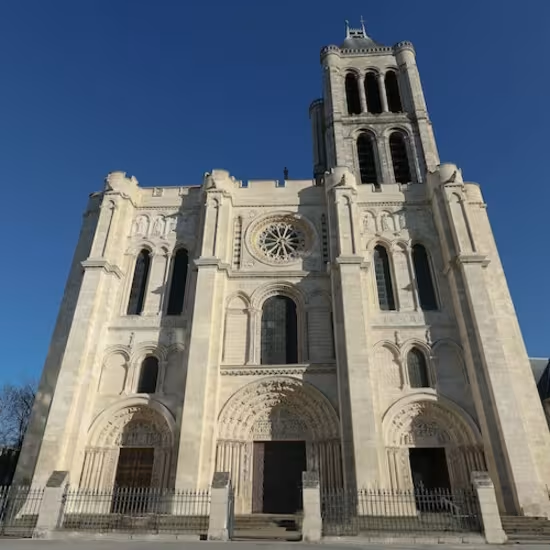
Ticket-free access to the Panthéon & Saint-Denis Cathedral Basilica
Highlights
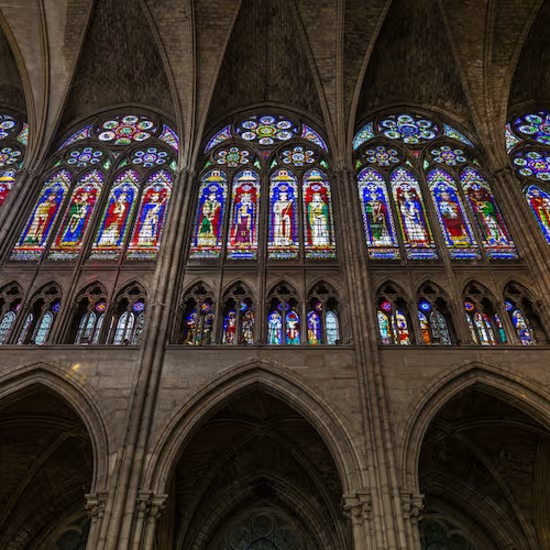
Skip the general line at both the Panthéon and Basilica of Saint-Denis.
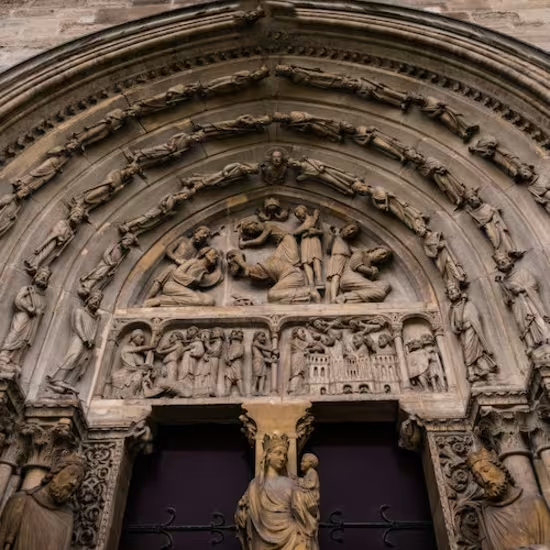
Explore the magnificent tombs of French royalty and renowned figures.
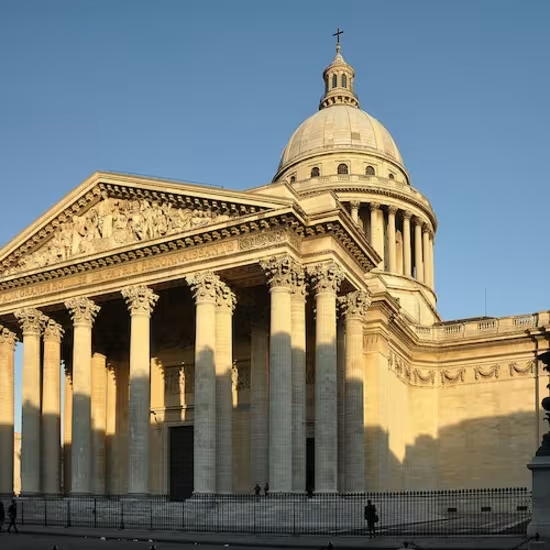
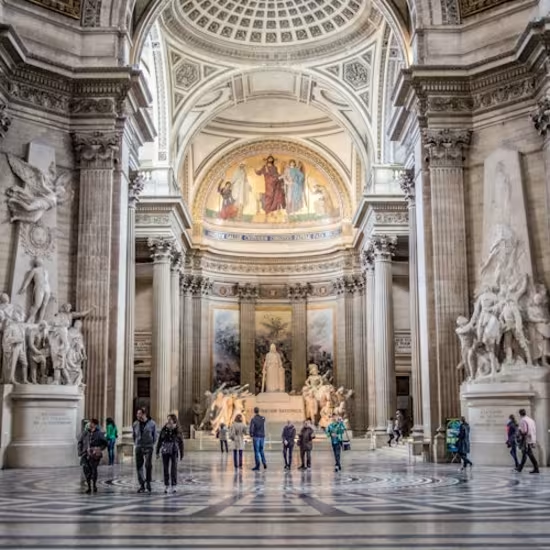
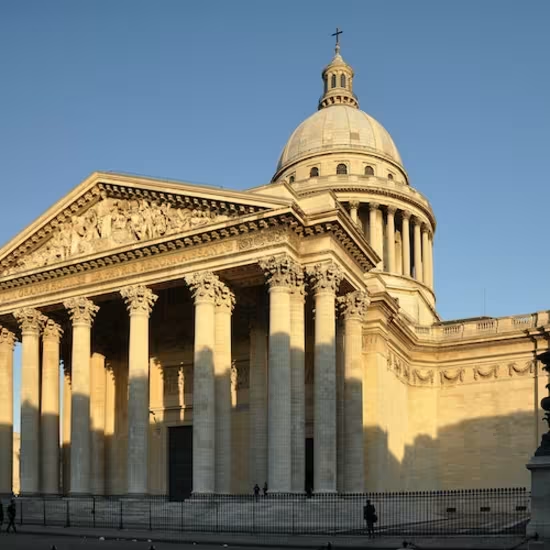
Marvel at the stunning neoclassical architecture of the Panthéon.
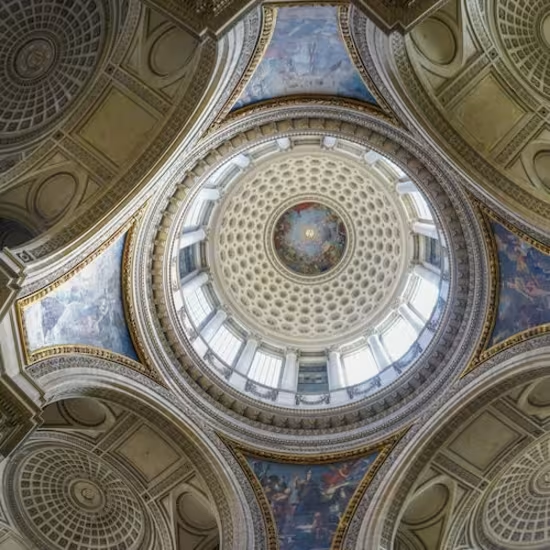
Discover the ornate interiors adorned with frescoes and detailed sculptures.
Experience a convenient twin ticket for two major historical sites in Paris.
The Panthéon Awaits
Step inside one of France’s most symbolic monuments, where history, architecture, and national memory come together under one majestic dome. The Panthéon is more than a landmark of the Latin Quarter, it is the resting place of remarkable figures such as Voltaire, Victor Hugo, Marie Curie, and Alexandre Dumas, and a space where visitors can explore France’s revolutionary ideals, artistic heritage, and scientific achievements. Whether you’re drawn by its neoclassical design, its panoramic views over Paris, or its powerful cultural legacy, a visit to the Panthéon is an essential experience for anyone wanting to understand the soul of France.
About the Panthéon in Paris

The Panthéon stands at the heart of the Latin Quarter, overlooking the city from the top of the Montagne Sainte-Geneviève. Originally commissioned by King Louis XV in the mid-18th century as a church dedicated to Sainte-Geneviève, the monument was later transformed during the French Revolution into a civic mausoleum “for the great men of the nation.” Since then, it has become one of France’s most important sites of remembrance, honoring writers, scientists, resistance fighters, and political figures who shaped the country’s identity.
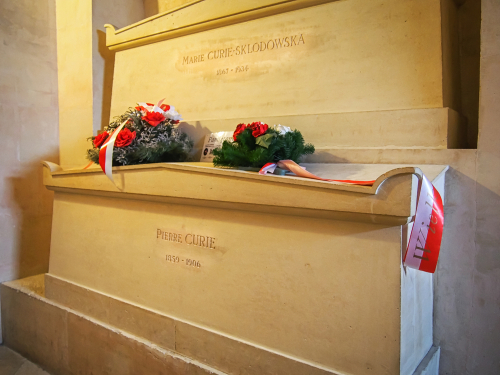
Designed by architect Jacques-Germain Soufflot, the Panthéon blends classical Greek influences with neoclassical symmetry, earning it a reputation as one of the finest examples of 18th-century French architecture. Inside, visitors can admire monumental murals depicting scenes from French history, stand beneath the vast dome that inspired later national monuments, and descend into the crypt to pay tribute to figures such as Rousseau, Zola, Simone Veil, and Marie Curie, the first woman to be entombed there on her own merits.
Today, the Panthéon is both a historic monument and a living cultural space, hosting temporary exhibitions, educational experiences, and access to one of the most breathtaking rooftop views in Paris (seasonal and ticket-based). A visit here offers more than a tour of a landmark—it’s a journey through France’s intellectual, artistic, and political evolution.
Why Visit the Panthéon?
Honor France’s national heroes: Visit the mausoleum where figures like Voltaire, Victor Hugo, Marie Curie, and Simone Veil are buried.
Experience world-class neoclassical architecture: Admire Soufflot’s monumental design, inspired by ancient Roman temples.
See the Panthéon’s iconic dome up close: Stand beneath one of Paris’s most recognisable domes, a masterpiece of 18th-century engineering.
Enjoy one of the best panoramic views in Paris: Access the upper terrace (seasonal) for a 360° lookout over the city skyline.
Discover historic artworks and murals: Explore large-scale paintings that narrate France’s religious and revolutionary past.
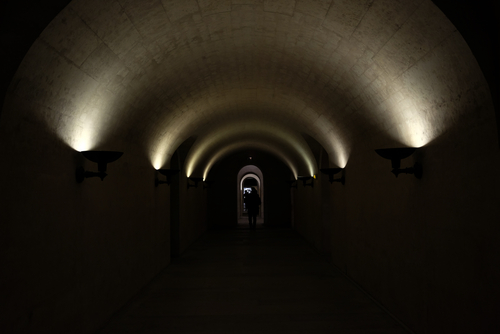
Walk through the crypt of national legends: Follow the corridors where writers, scientists, and resistance leaders rest.
Witness a monument shaped by revolution: Learn how a church became a civic temple during the French Revolution.
Engage with exhibitions and cultural programs: Find temporary displays and themed events that add new layers to the visit.
A must-see site in the Latin Quarter: Located near the Sorbonne, Luxembourg Gardens, and other key Paris attractions.
Opening Hours at the Panthéon
The Panthéon is open every day of the week, but the schedule changes slightly depending on the season:
1 April – 30 September: 10:00 a.m. to 6:30 p.m.
1 October – 31 March: 10:00 a.m. to 6:00 p.m.
Last admission is 45 minutes before closing.
Closed on:
1 January
1 May
25 December
On some dates, such as the first Monday of each month or during year-end holidays, opening times may be adjusted (for example, a later opening at noon or an early closing at 5:00 p.m.). The upper terrace and dome may also be closed temporarily for weather, maintenance, or special events, so it’s always best to check before you go.
Beat the Crowds: Best Times to Visit
Choosing the right moment can completely change your experience at the Panthéon. Here are tips to help you make the most of your visit:
Best Hours of the Day:
Right at opening (10:00 a.m.) – Ideal if you want a quiet visit before tour groups arrive.
Late afternoon (after 4:00 p.m.) – Calmer atmosphere and softer natural light, especially in spring and summer.
Hours to Avoid:
Midday in summer (11:30 a.m.–2:30 p.m.) – Peak crowd levels, school groups, guided tours, and warmer indoor temperatures.
Best Seasons:
-Summer (July–August): The busiest period—go early or late in the day for the best experience.
-Spring (April–June): Comfortable weather and fewer crowds than summer.
–Autumn (September–October): A great balance between pleasant weather and reduced visitor numbers.
–Winter (November–March): The least crowded time of year, ideal if you prefer a more reflective visit, though days are shorter and the interior can feel cool.
Address & Getting There
Panthéon
Place du Panthéon
75005 Paris, France
Located on the Montagne Sainte-Geneviève in the Latin Quarter (5th arrondissement) of Paris.
Find Your Way to the Panthéon in Paris
- By Metro
- By RER (Regional Express Train)
- By Bus
- By Car or Taxi
- On Foot
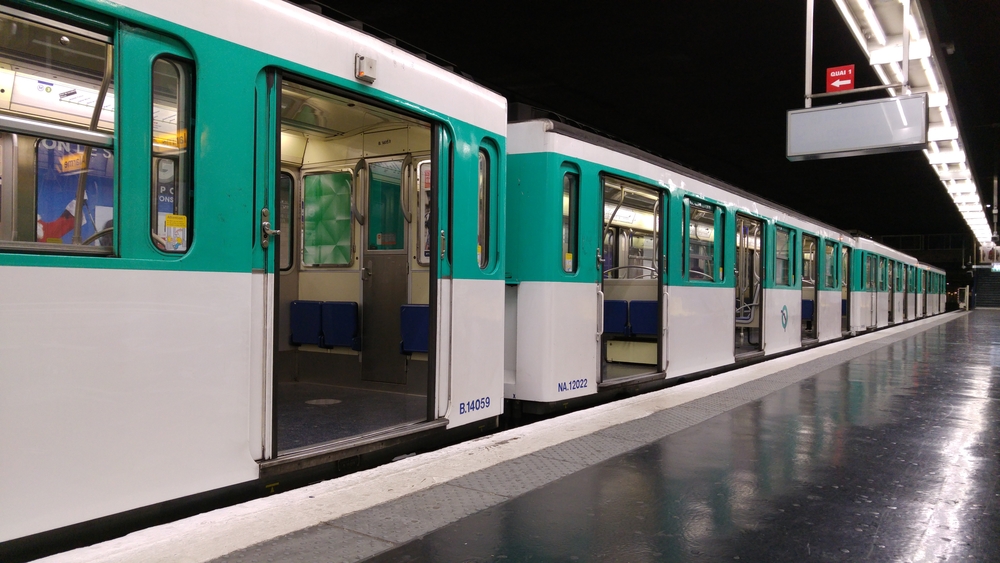
The Paris Metro is one of the fastest and most reliable ways to reach the Panthéon.
Line 10 – Cardinal Lemoine
The closest metro station, about a 5-minute walk. From the station, follow the signs toward Rue Monge, then walk uphill toward Place du Panthéon.
Line 7 – Place Monge
A 10-minute walk. This route takes you through quieter side streets of the Latin Quarter.
Both stations are well connected to other major lines in Paris, making this a convenient option from most central districts.
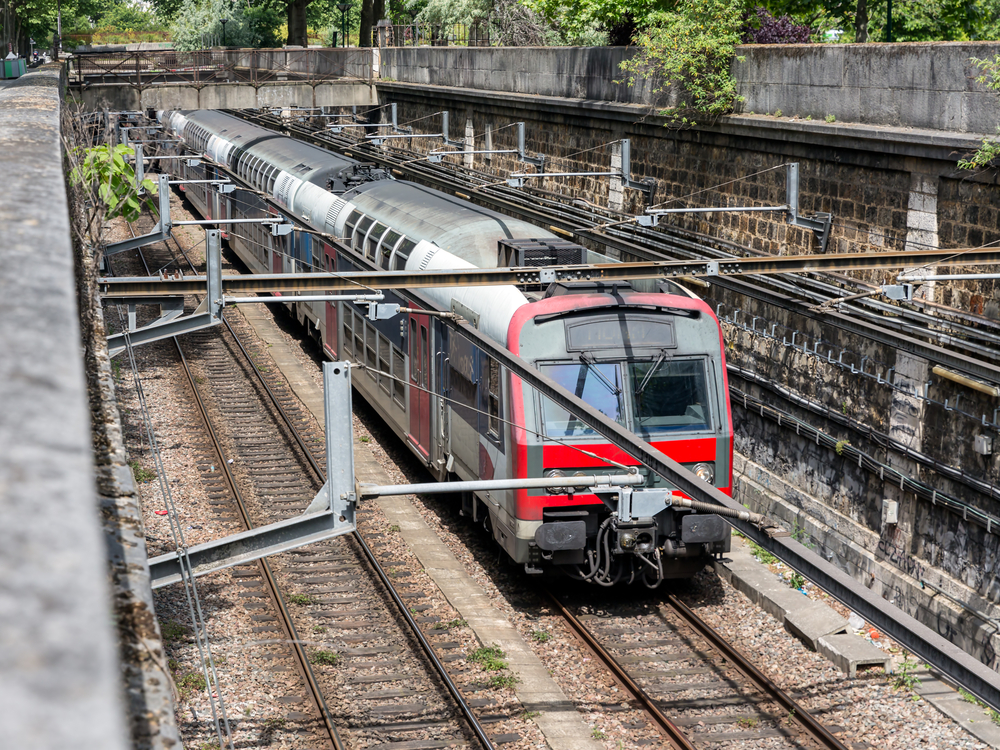
RER B – Luxembourg Station
This is one of the easiest and most popular ways to reach the Panthéon, especially if you are coming from Charles de Gaulle Airport, Gare du Nord, or Châtelet–Les Halles. The walk from the station is about 5–7 minutes and takes you past the Luxembourg Gardens.

Several bus routes stop close to the monument. Buses are useful if you prefer to stay above ground or want a scenic route through the city.
-Frequent lines serving the area include: 21, 27, 38, 82, 84, 85, and 89
-Most routes stop at or near Panthéon, Cardinal Lemoine, or Luxembourg.
Buses are slower than the metro during peak hours but more enjoyable if you’re taking your time or travelling with limited mobility.
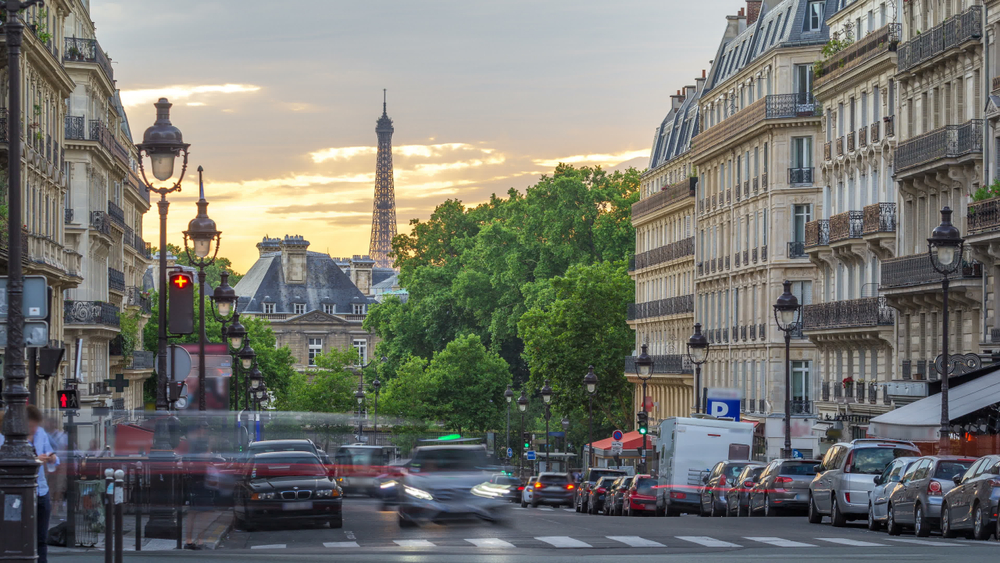
Driving in the Latin Quarter can be tricky due to narrow one-way streets and limited parking. If you do arrive by car:
-There is a nearby paid parking garage (Parking Indigo Soufflot-Panthéon).
-Taxis and ride-share services can drop you directly at Place du Panthéon, which is convenient if you’re travelling with luggage or young children.
Most visitors avoid driving and use public transport instead, as it is faster and simpler.

If you’re staying in the Latin Quarter, Saint-Germain-des-Prés, or around the Luxembourg Gardens, walking is one of the nicest ways to reach the Panthéon. The area is safe, full of cafés, bookshops, and student life, and the monument stands at the top of a gentle hill, making it visible from many nearby streets.
Walking times from nearby landmarks:
-Luxembourg Gardens: 5 minutes
-Sorbonne University: 3 minutes
-Jardin des Plantes: 15 minutes
-Notre-Dame Cathedral: 20–25 minutes
Dining Near the Panthéon
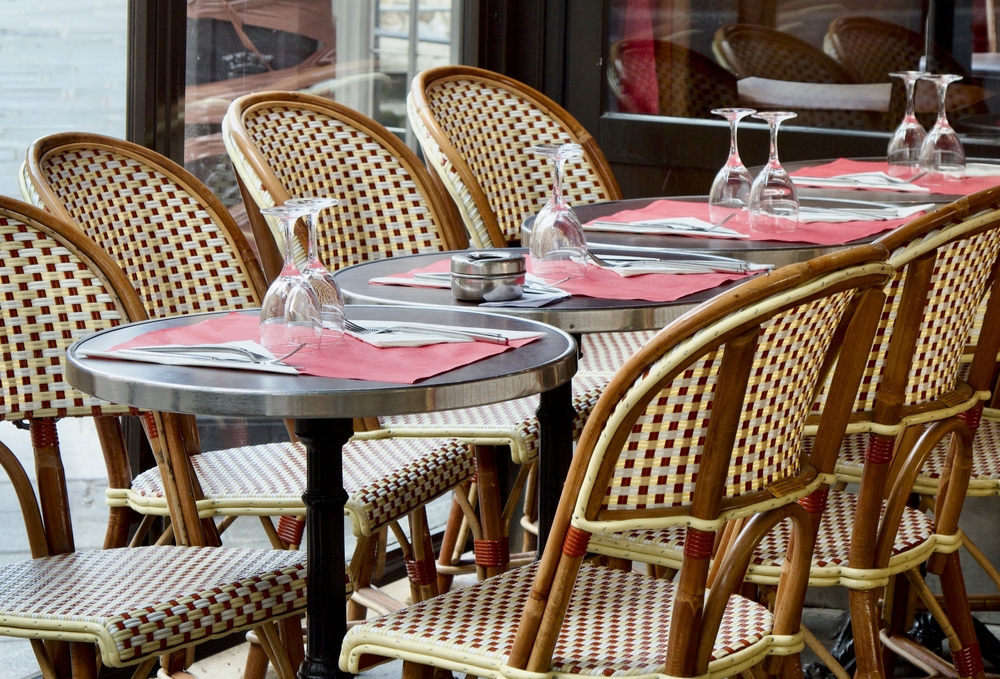
Within a very short walk of the monument you’ll find a lively and varied dining scene, perfect for a pre- or post-visit meal.
Consider also that after your visit you may want to linger in the area, so plan a slightly longer dining stop and soak in the Latin Quarter’s evening ambience.
A range of cafés, bistros and restaurants clusters around the Latin Quarter and the Rue Soufflot area. Whether you’re in the mood for a classic French brasserie, light lunch or international cuisine, you’ll have options.
Example: Just steps from the Panthéon, at 5 Rue Soufflot, is Comptoir du Panthéon, an inviting American-style restaurant that offers generous portions and a friendly setting, ideal if you’re looking for something familiar and comfortable.
For a more traditional Parisian experience, choose somewhere along the nearby Rue Mouffetard or the streets just off Boulevard Saint-Michel, where menus often feature regional specialties, seasonal produce and relaxed atmospheres.
Tip: If you plan your visit around a set mealtime (lunch around 12:30–2:00 p.m., dinner from 7:30 p.m.), booking a table is wise, especially during busy travel seasons.
Souvenir & Gift Store
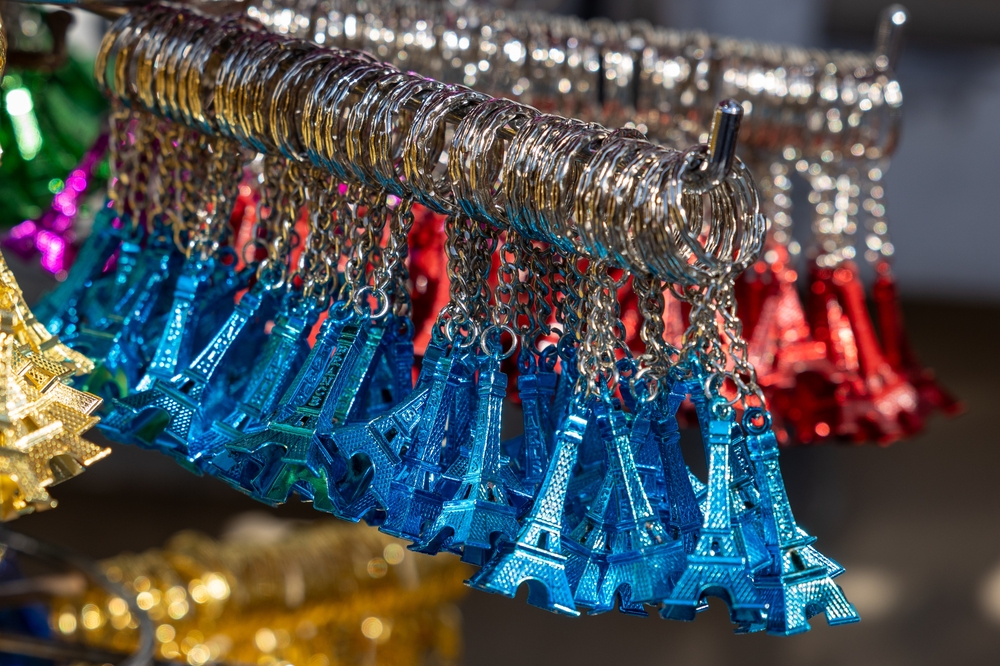
Capturing a memento of your visit is easy thanks to the shops surrounding the Panthéon.
Consider the size and packaging of your purchase if you’ll be flying back home—some items are easily packed as hand luggage.
Within the immediate area, you’ll find gift-shops that carry postcards, architectural prints, miniature replicas of the monument, themed mugs, T-shirts and other Paris-inspired items.
While the Panthéon itself may not have a large on-site store at the monument entrance, the nearby streets—such as Rue Jussieu or the small lanes around the Latin Quarter—host independent souvenir boutiques well worth a browse.
These stores often carry items that reflect the monument’s neoclassical architecture or pay tribute to the figures entombed within, making for meaningful keepsakes or gifts.
Tip: If you are looking for something unique (e.g., locally made artisan goods, higher quality prints) rather than standard tourist fare, ask for recommendations inside smaller specialty shops rather than stopping at the first souvenir stand.
Accessibility at the Panthéon

The Panthéon is committed to making the visit accessible to as many people as possible, while mindful of the constraints posed by its historic structure.
Tip: If you have specific mobility needs or want to arrange a guided tour with adapted facilities, it is recommended to contact the monument in advance to confirm arrangements and ensure an optimal visit.
An outside access ramp leads into the monument and there is an internal lift allowing wheelchair users to reach the nave and most of the main floor.
Some areas, such as the upper dome or terrace, are not accessible to visitors with mobility impairments, these require climbing many steps and are unsuitable for wheelchairs.
Pushchairs are allowed inside the monument, though navigating narrow or historic stairs may present challenges, staff may assist where possible.
Visitor guidelines: Scooters, roller-blades and skateboards are not permitted; large luggage or helmets are not accepted; food and drink are not allowed inside the main exhibition spaces.
Step Inside the Panthéon: A Visual Preview
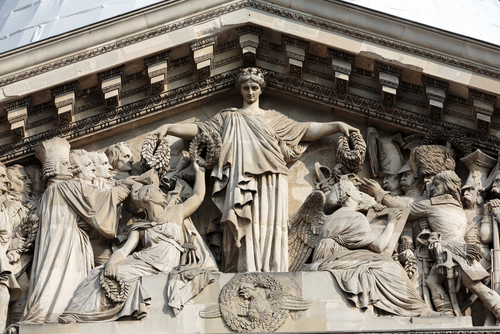
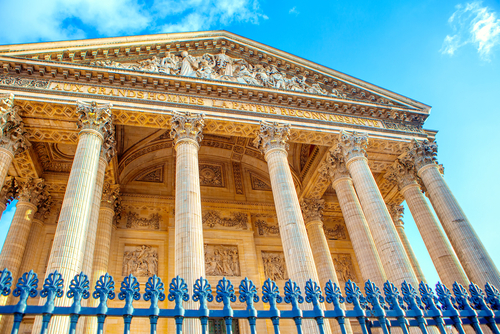
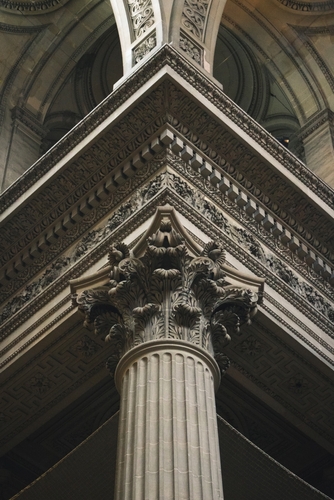
Know Before You Go
Book tickets in advance: Buying online helps you skip the ticket queue and secures your preferred visiting time, especially in high season.
Last entry is 45 minutes before closing: Give yourself enough time to explore the interior and crypt without feeling rushed.
The dome and terrace are seasonal: Rooftop access is not available year-round and may close for weather or maintenance.
Expect security checks on arrival: Bags may be inspected, and large luggage or suitcases are not allowed inside.
No food or drinks inside the monument: The Panthéon is a place of remembrance, so eating, drinking, and picnicking are not permitted indoors.
Photography is allowed (without flash): Professional equipment, tripods, and drones require prior authorization.
Wear comfortable shoes: There are steps, stone floors, and uneven surfaces—especially if you plan to visit the crypt or climb to the dome.
The interior can feel cool year-round: The stone structure retains temperature, bring a light layer, even in summer.
Accessibility varies by area: The main floor is accessible, but the crypt and dome require stair access.
Located in a pedestrian-friendly area: Public transport is the easiest way to arrive; parking nearby is limited.
Allow at least 1–1.5 hours for the visit: More if you want time for the dome, exhibitions, or a walk around the Latin Quarter afterward.
 English
  Français
  Deutsch
  Italiano
  Español
  Português